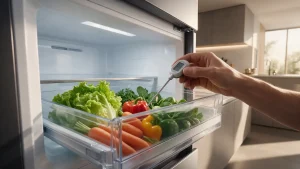
BioFresh Refrigeration
Reference for biofresh refrigeration covering subtypes, typical symptoms, and where to find the model number in San Francisco installations.

Specialized Liebherr Appliance Repair in San Francisco
Mon–Sat: 8:00 AM – 7:00 PM
San Francisco homeowners dealing with monolith refrigeration repair get measured diagnosis first. We separate simple seal or setting issues from sensor, airflow, or control problems before any parts are considered.
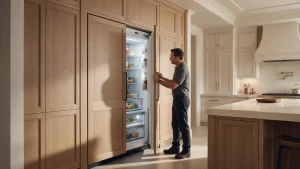
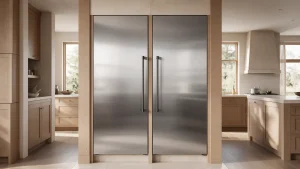
Monolith is Liebherr’s tall column range, built to stand alone or to be paired side by side as a refrigerator column, a freezer column, and sometimes a wine column. The units are conceived as one visual surface, so a fault in one column can look like a fault in the pair, and the first task is to separate them.
Columns are separate appliances with their own controls and cooling circuits even when they are installed as a matched set and finished with joining panels. A warm refrigerator column next to a normal freezer column means the problem lives in the first column rather than in the installation as a whole.
Tall doors flex slightly under their own weight, so alignment is more critical than on a standard cabinet. A joining trim that has shifted, or a panel that presses against its neighbor, can hold a door open by a few millimetres. That small gap can be enough for warm air to enter and for an alarm to sound.
Height creates a natural temperature gradient. Cold air sinks, so shelves near the bottom are colder than those near the top. A tall column can therefore show a large difference between top and bottom, and some of that is normal for the design. Measuring at both heights and comparing with what the model is meant to deliver shows whether the difference is abnormal.
Look along the vertical gaps between the columns and between the columns and the wall. Confirm that the door closes freely and that nothing presses against the trim. Read the temperature at a high shelf and a low shelf with a separate thermometer. Keep the ventilation grille, where fitted, free of storage. Do not remove joining trims or the kickplate.
A visit begins by treating each column separately, reading its measured temperatures, and then looking at how the pair is mounted. Panel alignment, door travel, and seal contact come ahead of any control or sensor work. If the matching column also needs attention, both can be assessed in the same visit.
Monolith columns usually appear in open-plan kitchens and renovated townhouses where large units were carried in through narrow staircases. Floors in older buildings are often not perfectly level, and a leaning column can pull a door out of line. Leveling checks are a regular part of the assessment here.
Record which column is affected, take a photo of any gap you can see, and note the model on the rating plate. The estimate is written and approved by you before any panel is touched.
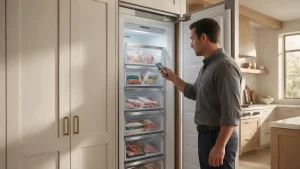
A Monolith freezer column usually combines pull-out drawers or shelves with a tall door. Because the drawers sit at different heights, the lowest ones are closest to the compressor area and the coldest, while the upper ones are warmer. Food that softens at the top while the bottom stays frozen is often a sign of an airflow or door problem rather than a freezer failure.
When two columns are joined by trim, vibration or heat from one can influence the other. A refrigerator column beside a freezer column can feel warm on the shared side, and that heat is part of normal operation. Excessive warmth or a changing sound is worth noting, together with which column the sound appears to come from.
A column is tall and heavy, and tipping or dragging it can stress the door and feet. If a column must be moved for service, plan the path in advance and keep the door closed during the move so the gasket is not strained.
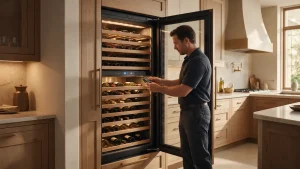
Some Monolith installations include a wine column or a column with mixed functions. These follow the same principles as other wine and refrigerator units, with zones that are controlled separately, and they are assessed zone by zone. Mention the exact combination in your set when you book so the right information is prepared in advance.
Photos of the full installation, including the trims at floor and ceiling, make it easier to judge alignment before arriving.
Many codes indicate a sensor or temporary condition. The unit may continue running while the control limits certain functions. Measured temperatures tell whether food safety is affected.
A normal power cycle is safe. Repeated resets without recording the code and temperatures usually do not resolve the underlying condition.
Yes. Platform differences change sensor locations, BioFresh behavior, and code meanings. The rating plate number is the starting point.
Reference for biofresh refrigeration covering subtypes, typical symptoms, and where to find the model number in San Francisco installations.
Reference for bottom-freezer refrigerators covering subtypes, typical symptoms, and where to find the model number in San Francisco installations.
Reference for built-in refrigeration covering subtypes, typical symptoms, and where to find the model number in San Francisco installations.
Reference for Liebherr refrigerators covering subtypes, typical symptoms, and where to find the model number in San Francisco installations.
Reference for monolith refrigeration covering subtypes, typical symptoms, and where to find the model number in San Francisco installations.
AFr points to a condition described in Liebherr documentation for specific platforms. Measured temperatures clarify the impact.
BT001 points to a condition described in Liebherr documentation for specific platforms. Measured temperatures clarify the impact.
btE points to a condition described in Liebherr documentation for specific platforms. Measured temperatures clarify the impact.
btP points to a condition described in Liebherr documentation for specific platforms. Measured temperatures clarify the impact.
dOr points to a condition described in Liebherr documentation for specific platforms. Measured temperatures clarify the impact.
E0 points to a condition described in Liebherr documentation for specific platforms. Measured temperatures clarify the impact.
Targeted diagnosis for biofresh system repair covering compartment temperatures, airflow, sensors, and IceMaker behavior common in Bay Area installations.
Targeted diagnosis for bottom-freezer refrigerator repair covering compartment temperatures, airflow, sensors, and IceMaker behavior common in Bay Area installations.
Targeted diagnosis for built-in refrigeration repair covering compartment temperatures, airflow, sensors, and IceMaker behavior common in Bay Area installations.
Targeted diagnosis for freezer repair covering compartment temperatures, airflow, sensors, and IceMaker behavior common in Bay Area installations.
Targeted diagnosis for icemaker repair covering compartment temperatures, airflow, sensors, and IceMaker behavior common in Bay Area installations.
Targeted diagnosis for nofrost system repair covering compartment temperatures, airflow, sensors, and IceMaker behavior common in Bay Area installations.
Targeted diagnosis for refrigerator repair covering compartment temperatures, airflow, sensors, and IceMaker behavior common in Bay Area installations.
Targeted diagnosis for wine cabinet repair covering compartment temperatures, airflow, sensors, and IceMaker behavior common in Bay Area installations.
Share a few details and we’ll confirm an appointment. Prefer to talk? Call us and we’ll help right away.