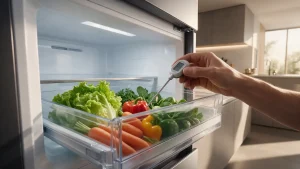
BioFresh Refrigeration
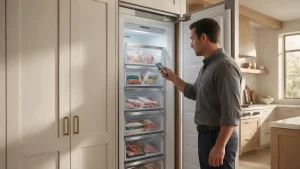
Reference for biofresh refrigeration covering subtypes, typical symptoms, and where to find the model number in San Francisco installations.

Specialized Liebherr Appliance Repair in San Francisco
Mon–Sat: 8:00 AM – 7:00 PM
San Francisco homeowners dealing with built-in refrigeration repair get measured diagnosis first. We separate simple seal or setting issues from sensor, airflow, or control problems before any parts are considered.
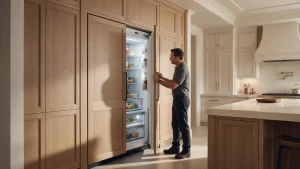
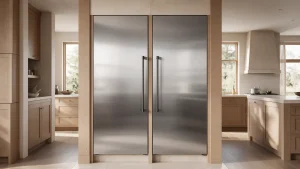
Built-in and integrated Liebherr refrigerators are designed to sit flush behind a cabinet panel, which looks seamless but changes how the appliance breathes. Heat that would escape freely from a freestanding cabinet has to travel through a defined path of vents, and a door that carries a decorative panel is heavier and more sensitive to hinge alignment than a bare one.
Integrated models rely on a specified opening at the base or top and a clear route for warm air to leave. If that route is narrowed by a shelf, a stored box, or a cabinet modification made during a later remodel, the cabinet can run warm and the compressor will labor. Checking the visible grille or gap for dust and obstructions is a safe outside check.
A panel-ready door adds weight. Over time, hinges can settle, and the door may hang a few millimetres lower than intended or rub against the neighboring cabinet. The gasket then makes uneven contact, and warm air seeps in along one edge. You may see condensation on one side only, or hear the door alarm after a normal opening.
Because the cabinet is enclosed, a rise in kitchen temperature or a nearby oven is felt more strongly by an integrated unit than by a freestanding one. A reading that is fine in the morning can drift by evening. Recording the time of day alongside the temperature reveals whether the cause is environmental or mechanical.
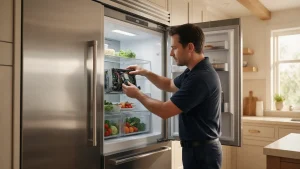
Look at how the door closes and whether the panel touches anything. Feel for warm air around the ventilation opening while the compressor runs. Clear anything stored near the vent. Measure the cabinet with a separate thermometer and note the model, which on many built-in cabinets is only visible when the door is opened fully. Do not unscrew the door panel or the plinth.
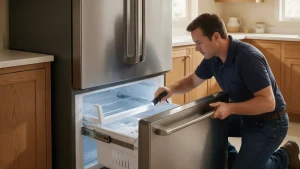
The visit includes inspecting door alignment, hinge condition, and gasket contact, then checking airflow clearance as installed. Temperature logging over the visit shows how the cabinet responds once the door is aligned. Panel removal and adjustment are done with care so the finished cabinetry is not disturbed more than necessary.
Many apartments and older flats here have cabinetry built decades ago for a different appliance, with limited depth and awkward service access. Where a Liebherr unit was fitted into such a space, the ventilation path and door swing may have been compromised from the start. Knowing the building age, whether the unit sits near a stove, and how the cabinet was framed helps the diagnosis stay realistic.
Clear the area in front of the unit, empty the shelves that are in direct view of the door seal if you can, and have the model number ready. A written estimate precedes any repair, and any adjustment to the panel is described before it is made.
An integrated cabinet sits on adjustable feet that were set once, at installation. If the floor has shifted, or the unit was moved during a kitchen update, the cabinet may lean slightly and the door will tend to swing open or shut by itself. A small adjustment to the feet, made by someone who can reach the plinth safely, often restores the intended door behavior.
Moisture inside the cabinet near the door edge points to warm air getting in. Moisture on the outside surface of the door panel, particularly in humid weather, suggests the opposite problem, where the exterior is cooler than the room air. Both observations help narrow the diagnosis, so mention where you see it.
Integrated cabinets usually hide the display behind the door, so a setting may be changed without the household noticing. Checking that the setpoint has not been altered, and that the unit has not been switched into a mode meant for temporary use, takes only a moment and prevents an unnecessary visit.
Many codes indicate a sensor or temporary condition. The unit may continue running while the control limits certain functions. Measured temperatures tell whether food safety is affected.
A normal power cycle is safe. Repeated resets without recording the code and temperatures usually do not resolve the underlying condition.
Yes. Platform differences change sensor locations, BioFresh behavior, and code meanings. The rating plate number is the starting point.
Reference for biofresh refrigeration covering subtypes, typical symptoms, and where to find the model number in San Francisco installations.
Reference for bottom-freezer refrigerators covering subtypes, typical symptoms, and where to find the model number in San Francisco installations.
Reference for built-in refrigeration covering subtypes, typical symptoms, and where to find the model number in San Francisco installations.
Reference for Liebherr refrigerators covering subtypes, typical symptoms, and where to find the model number in San Francisco installations.
Reference for monolith refrigeration covering subtypes, typical symptoms, and where to find the model number in San Francisco installations.
AFr points to a condition described in Liebherr documentation for specific platforms. Measured temperatures clarify the impact.
BT001 points to a condition described in Liebherr documentation for specific platforms. Measured temperatures clarify the impact.
btE points to a condition described in Liebherr documentation for specific platforms. Measured temperatures clarify the impact.
btP points to a condition described in Liebherr documentation for specific platforms. Measured temperatures clarify the impact.
dOr points to a condition described in Liebherr documentation for specific platforms. Measured temperatures clarify the impact.
E0 points to a condition described in Liebherr documentation for specific platforms. Measured temperatures clarify the impact.
Targeted diagnosis for biofresh system repair covering compartment temperatures, airflow, sensors, and IceMaker behavior common in Bay Area installations.
Targeted diagnosis for bottom-freezer refrigerator repair covering compartment temperatures, airflow, sensors, and IceMaker behavior common in Bay Area installations.
Targeted diagnosis for freezer repair covering compartment temperatures, airflow, sensors, and IceMaker behavior common in Bay Area installations.
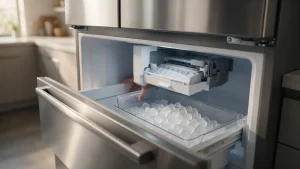
Targeted diagnosis for icemaker repair covering compartment temperatures, airflow, sensors, and IceMaker behavior common in Bay Area installations.
Targeted diagnosis for monolith refrigeration repair covering compartment temperatures, airflow, sensors, and IceMaker behavior common in Bay Area installations.
Targeted diagnosis for nofrost system repair covering compartment temperatures, airflow, sensors, and IceMaker behavior common in Bay Area installations.
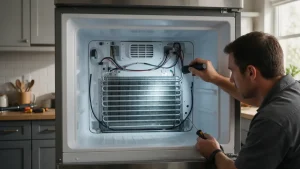
Targeted diagnosis for refrigerator repair covering compartment temperatures, airflow, sensors, and IceMaker behavior common in Bay Area installations.
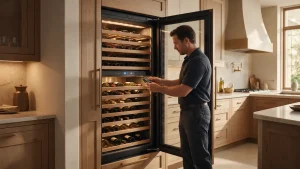
Targeted diagnosis for wine cabinet repair covering compartment temperatures, airflow, sensors, and IceMaker behavior common in Bay Area installations.
Share a few details and we’ll confirm an appointment. Prefer to talk? Call us and we’ll help right away.