Freezer Repair
Targeted diagnosis for freezer repair covering compartment temperatures, airflow, sensors, and IceMaker behavior common in Bay Area installations.

Specialized Liebherr Appliance Repair in San Francisco
Mon–Sat: 8:00 AM – 7:00 PM
Liebherr Freezers vary by layout and controls. This page covers the main configurations seen in San Francisco homes and the symptoms that usually point to airflow, sensing, or door conditions.
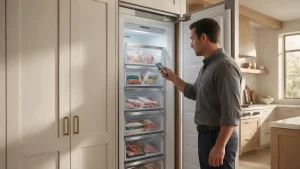
Liebherr freezers are offered as stand-alone upright cabinets, integrated units, and freezer columns, with either conventional or NoFrost cooling. This page is a reference for how these cabinets differ, what normal operation looks like, and which symptoms suggest that a visit is worth arranging.
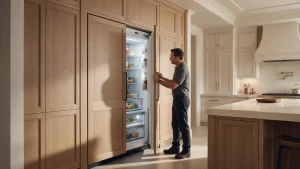
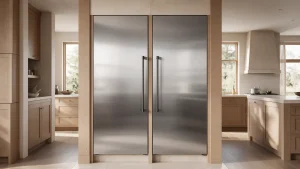
An upright freezer stands on its own with drawers or shelves behind a single door. An integrated one fits inside cabinetry with a matching panel. A column is a tall dedicated freezer designed to stand beside a refrigerator column. The principles are similar, but the airflow, ventilation, and door weight differ.
A freezer should hold a steady deep-freeze temperature, with small rises when the door is opened and recoveries within a reasonable time. The compressor cycles on and off, and a mild rise in temperature during a defrost cycle on NoFrost models is expected.
Packages that feel soft, a compressor that runs without a break, frost around the gasket, or an alarm that does not clear all merit attention. Temperatures that creep up over days point toward a gradual cause such as a seal or airflow, while sudden changes more often follow a power event or a long door opening.
The plate is generally on the interior side wall or behind the top drawer. Note the model and service number, because they tell the technician whether the cabinet is conventional or NoFrost, which changes everything about how frost is interpreted.
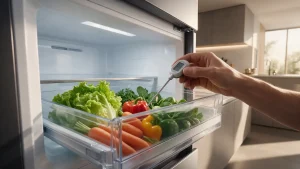
Measure the temperature, check the door seal and the way the door closes, keep the cabinet level, and avoid packing items against vents. Note the alarm state and the display reading. Leave panels in place.
See the freezer service page for the visit steps, the NoFrost reference for the self-defrosting principle, and the model pages for freezers such as the GN, IGN, and SIFNe series.
A freezer standing in a garage or an unheated utility room in a San Francisco house can be exposed to cool nights and warm afternoons, a combination many compressors handle poorly. If your unit stands in such a space, mention it, because the room’s temperature affects how hard the freezer has to work.
Label and date food, keep the gasket clean, close the door gently but firmly, and avoid overfilling. A freezer filled to a sensible level works more efficiently than a nearly empty one. Wiping spills promptly prevents them from freezing onto shelves and holding the door open.
After an outage or a move, give the freezer time to reach its set temperature before restocking, and keep the door shut while it recovers. If the freezer was transported lying down, allow the interval recommended in the operating instructions before switching it on.
Give the reading and how it was taken, the time since it started, and whether packages are hard or soft. Mention the room the freezer stands in, whether it is conventional or NoFrost if you know, and whether anything unusual happened beforehand, such as a power cut or a long door opening.
Compressors cycle, fans hum, and the display may show a slightly higher value just after the door has been opened. These are signs of a working freezer. What is not normal is a reading that stays high for many hours, constant running with no cooling effect, or heavy frost around the gasket that returns soon after cleaning.
Usually on the rating plate inside the fresh-food compartment or on the door frame. On built-in units open the door fully.
No. Short codes can have different meanings by platform and generation.
BioFresh is a temperature-controlled zone with its own behavior. Problems there are diagnosed separately from the main cabinet.
Targeted diagnosis for freezer repair covering compartment temperatures, airflow, sensors, and IceMaker behavior common in Bay Area installations.
Targeted diagnosis for nofrost system repair covering compartment temperatures, airflow, sensors, and IceMaker behavior common in Bay Area installations.
BT011 points to a condition described in Liebherr documentation for specific platforms. Measured temperatures clarify the impact.
BT021 points to a condition described in Liebherr documentation for specific platforms. Measured temperatures clarify the impact.
BT031 points to a condition described in Liebherr documentation for specific platforms. Measured temperatures clarify the impact.
BT041 points to a condition described in Liebherr documentation for specific platforms. Measured temperatures clarify the impact.
BT071 points to a condition described in Liebherr documentation for specific platforms. Measured temperatures clarify the impact.
Er points to a condition described in Liebherr documentation for specific platforms. Measured temperatures clarify the impact.
Diagnostic notes for the GN 2323 focusing on compartment behavior and model-specific checks.
Diagnostic notes for the GN 3023 focusing on compartment behavior and model-specific checks.
Diagnostic notes for the GN 4135 focusing on compartment behavior and model-specific checks.
Diagnostic notes for the IGN 2556 focusing on compartment behavior and model-specific checks.
Diagnostic notes for the IGN 2566 focusing on compartment behavior and model-specific checks.
Diagnostic notes for the Monolith MF 3051 focusing on compartment behavior and model-specific checks.
Diagnostic notes for the SIFNe 5188 focusing on compartment behavior and model-specific checks.
Reference for biofresh refrigeration covering subtypes, typical symptoms, and where to find the model number in San Francisco installations.
Reference for bottom-freezer refrigerators covering subtypes, typical symptoms, and where to find the model number in San Francisco installations.
Reference for built-in refrigeration covering subtypes, typical symptoms, and where to find the model number in San Francisco installations.
Reference for icemakers covering subtypes, typical symptoms, and where to find the model number in San Francisco installations.
Reference for Liebherr refrigerators covering subtypes, typical symptoms, and where to find the model number in San Francisco installations.
Reference for monolith refrigeration covering subtypes, typical symptoms, and where to find the model number in San Francisco installations.
Reference for nofrost refrigeration covering subtypes, typical symptoms, and where to find the model number in San Francisco installations.
Reference for wine cabinets covering subtypes, typical symptoms, and where to find the model number in San Francisco installations.
Share a few details and we’ll confirm an appointment. Prefer to talk? Call us and we’ll help right away.